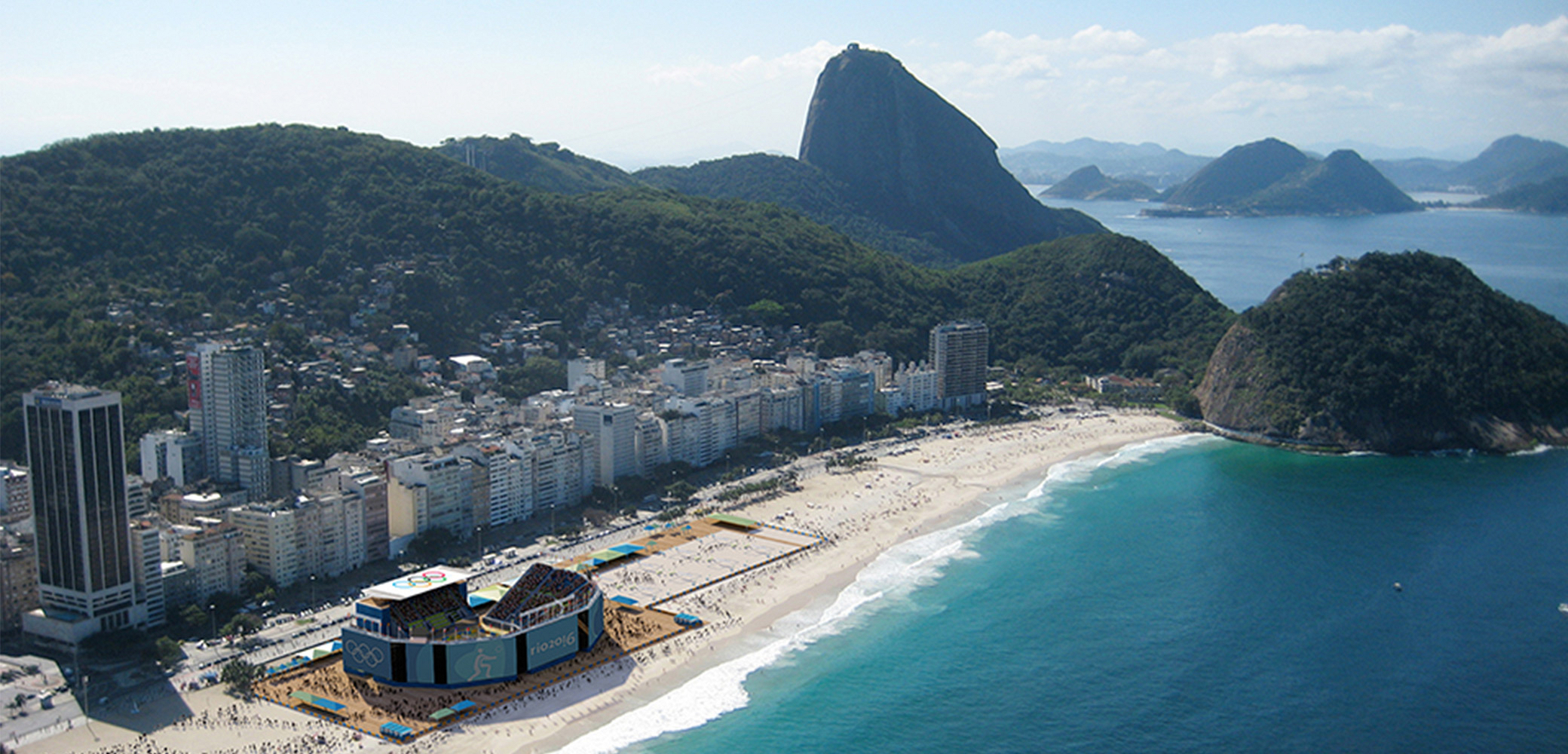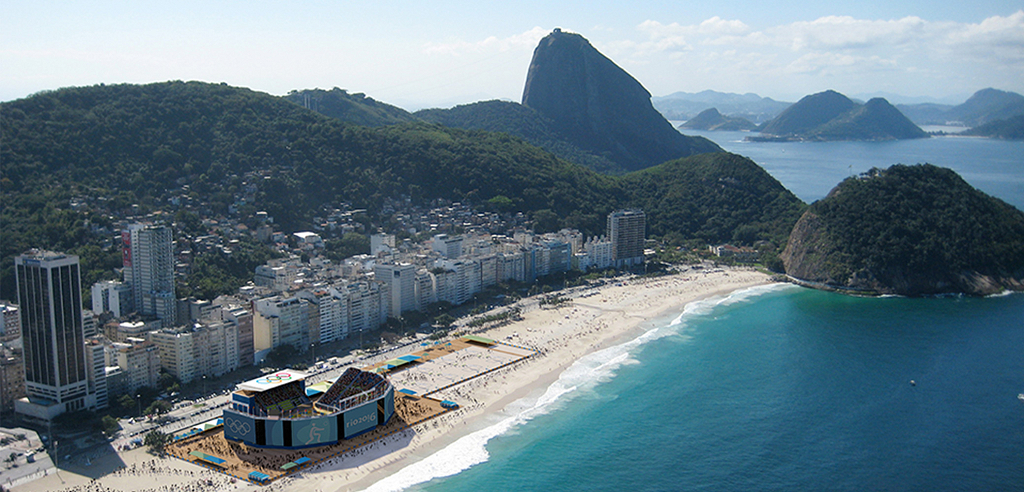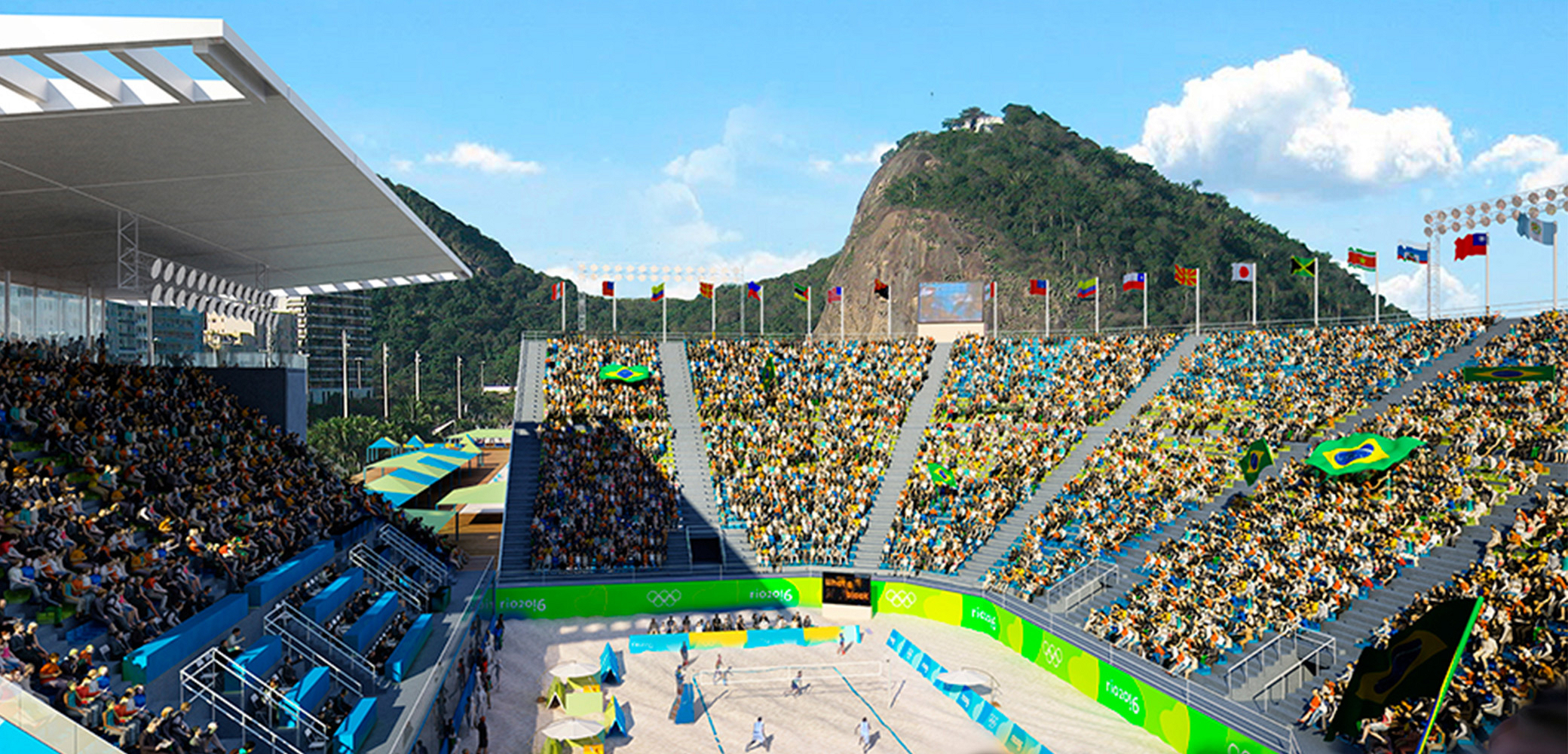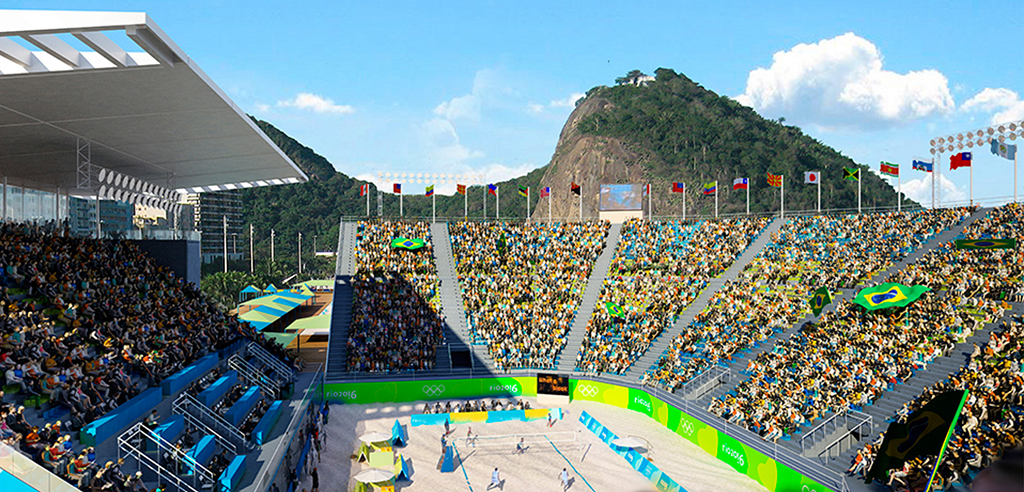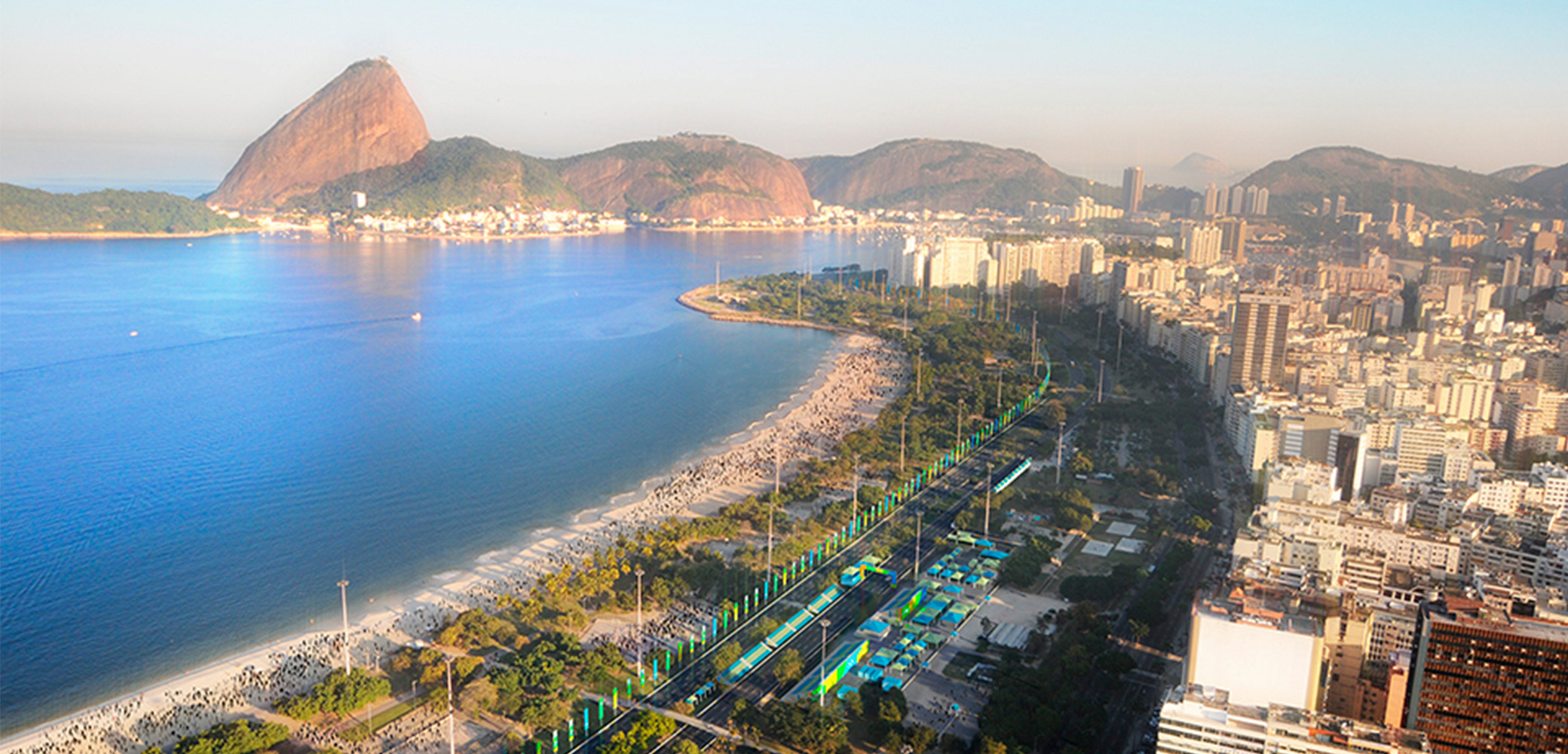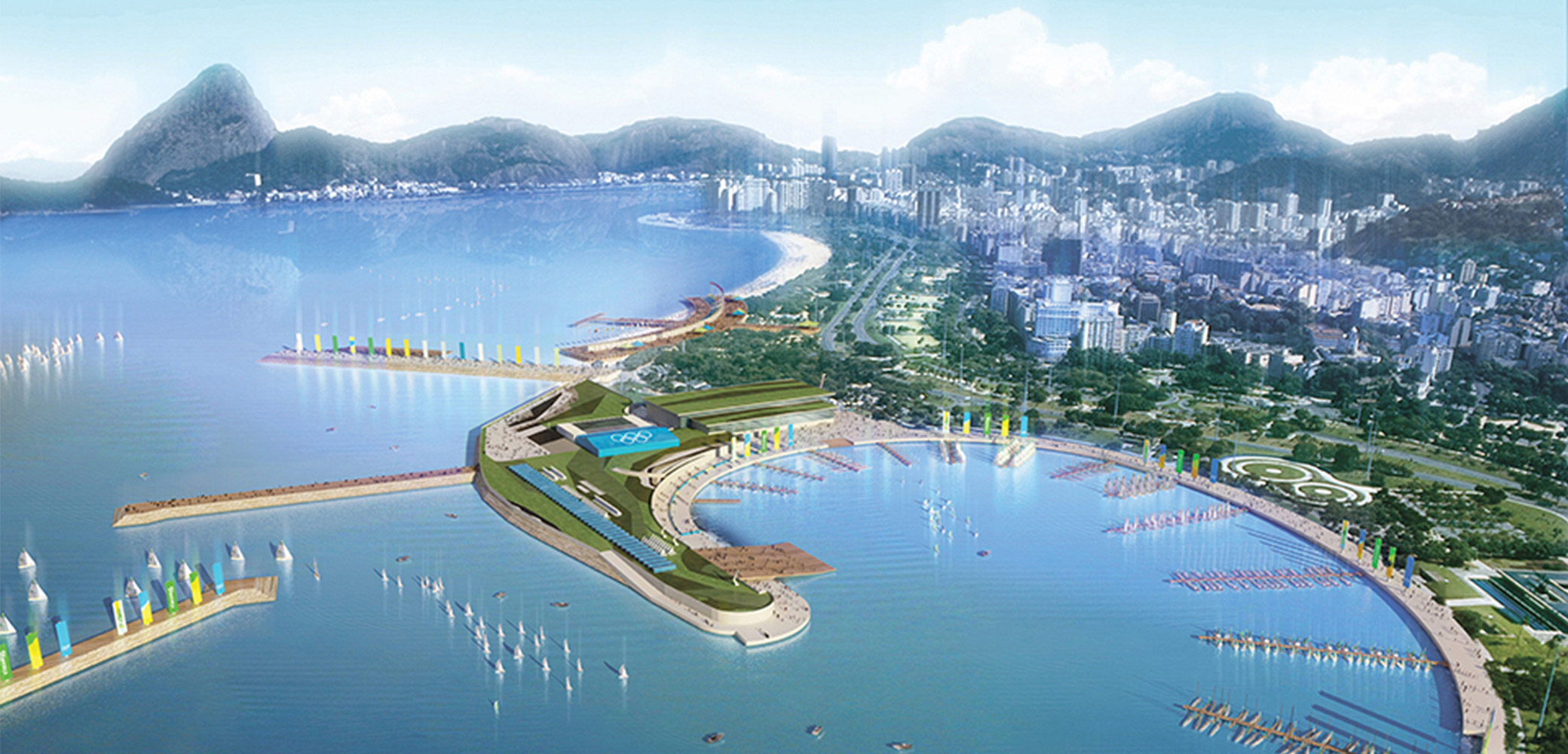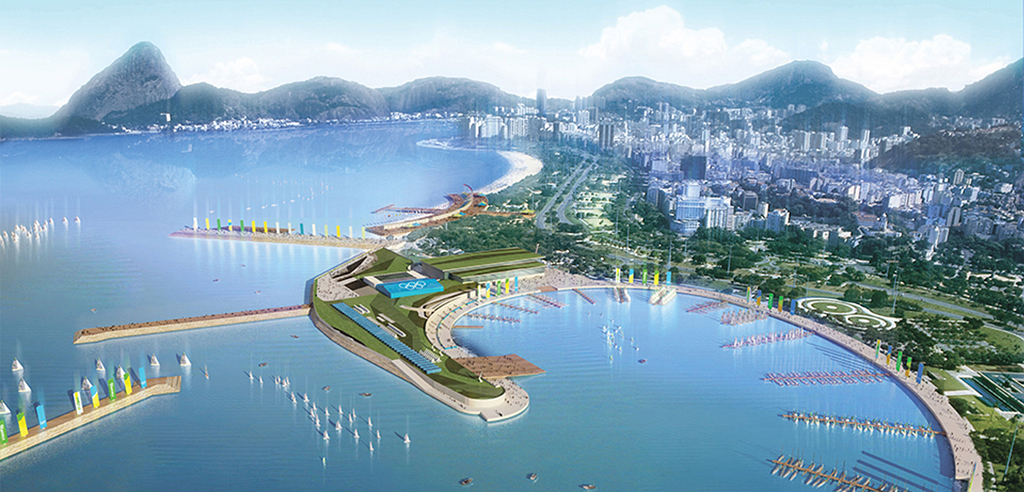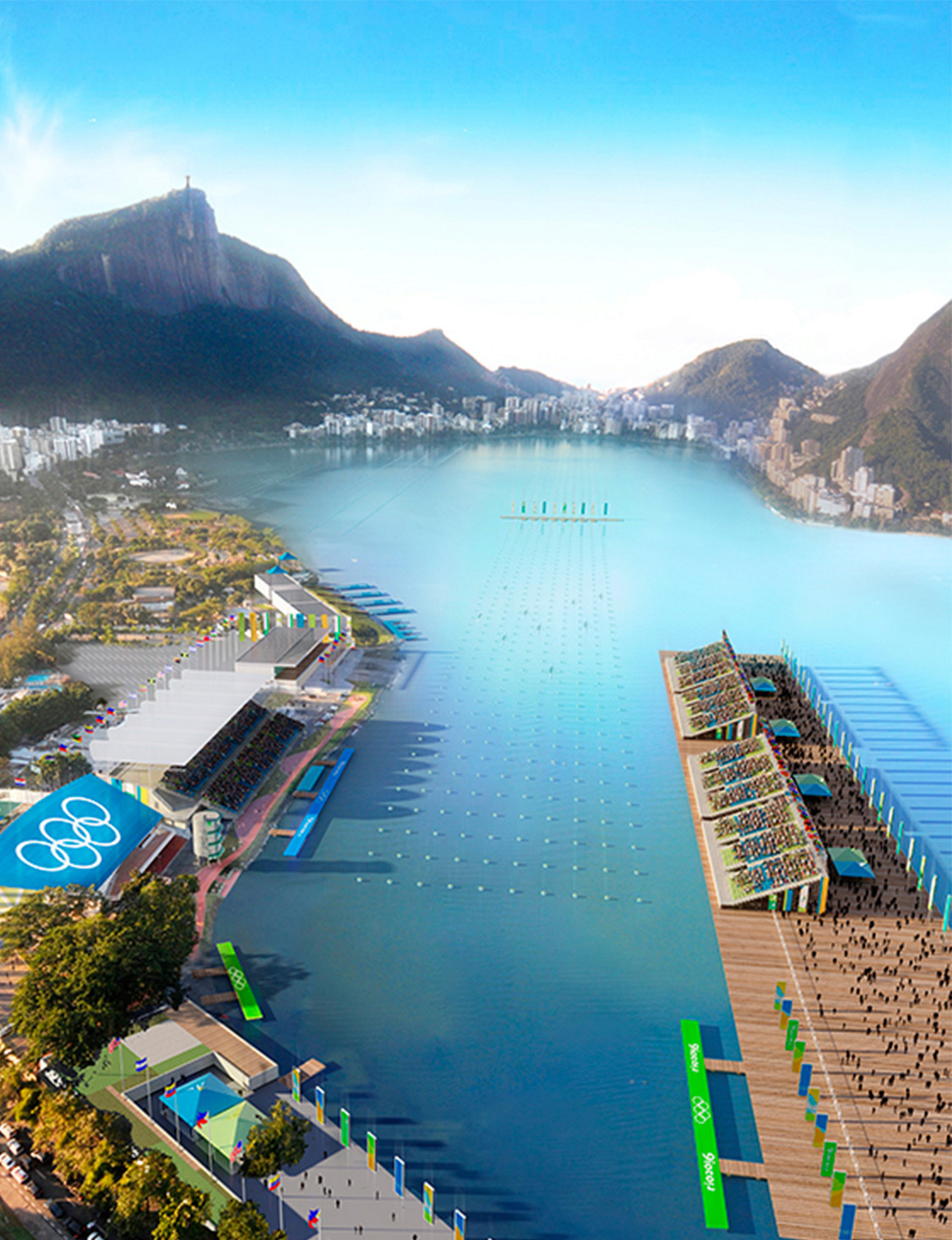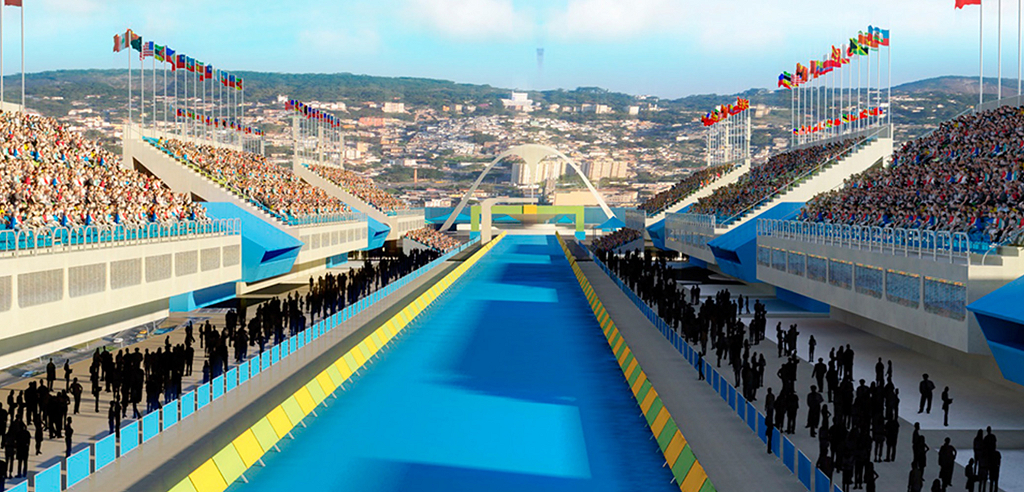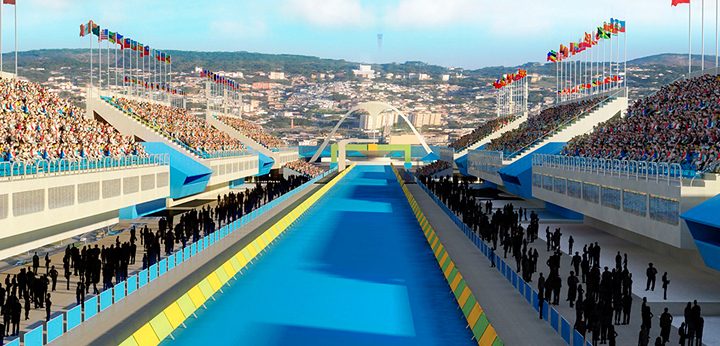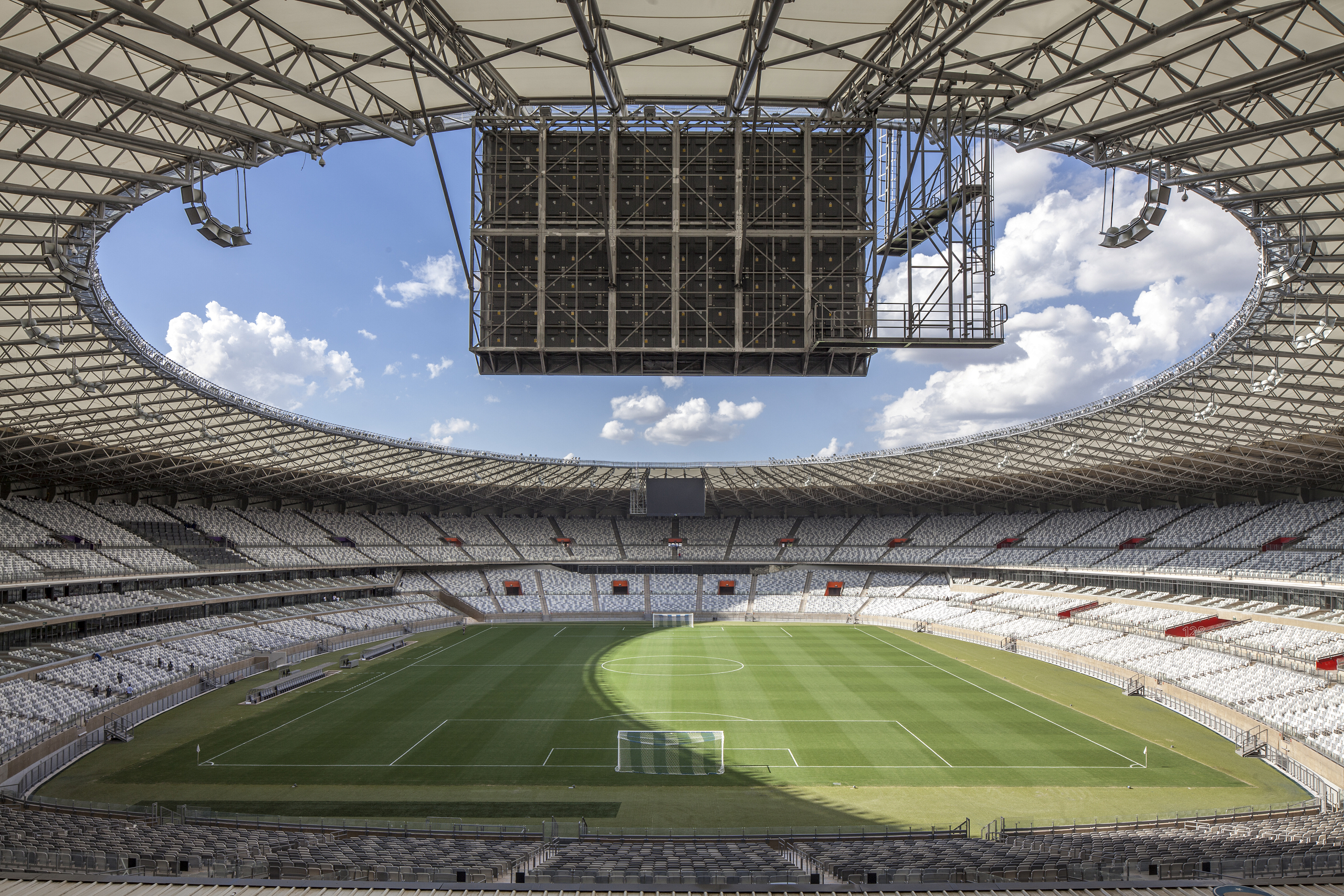
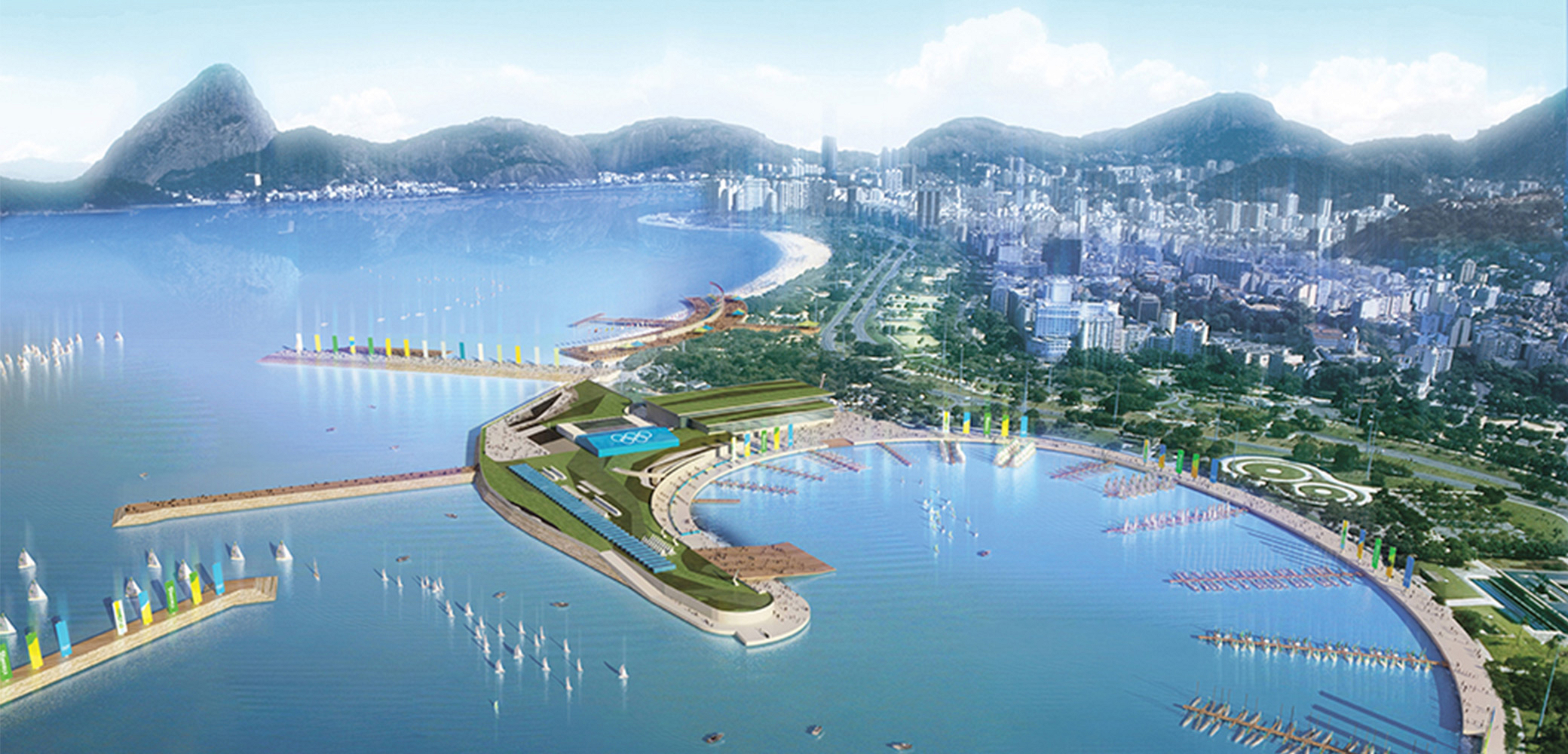


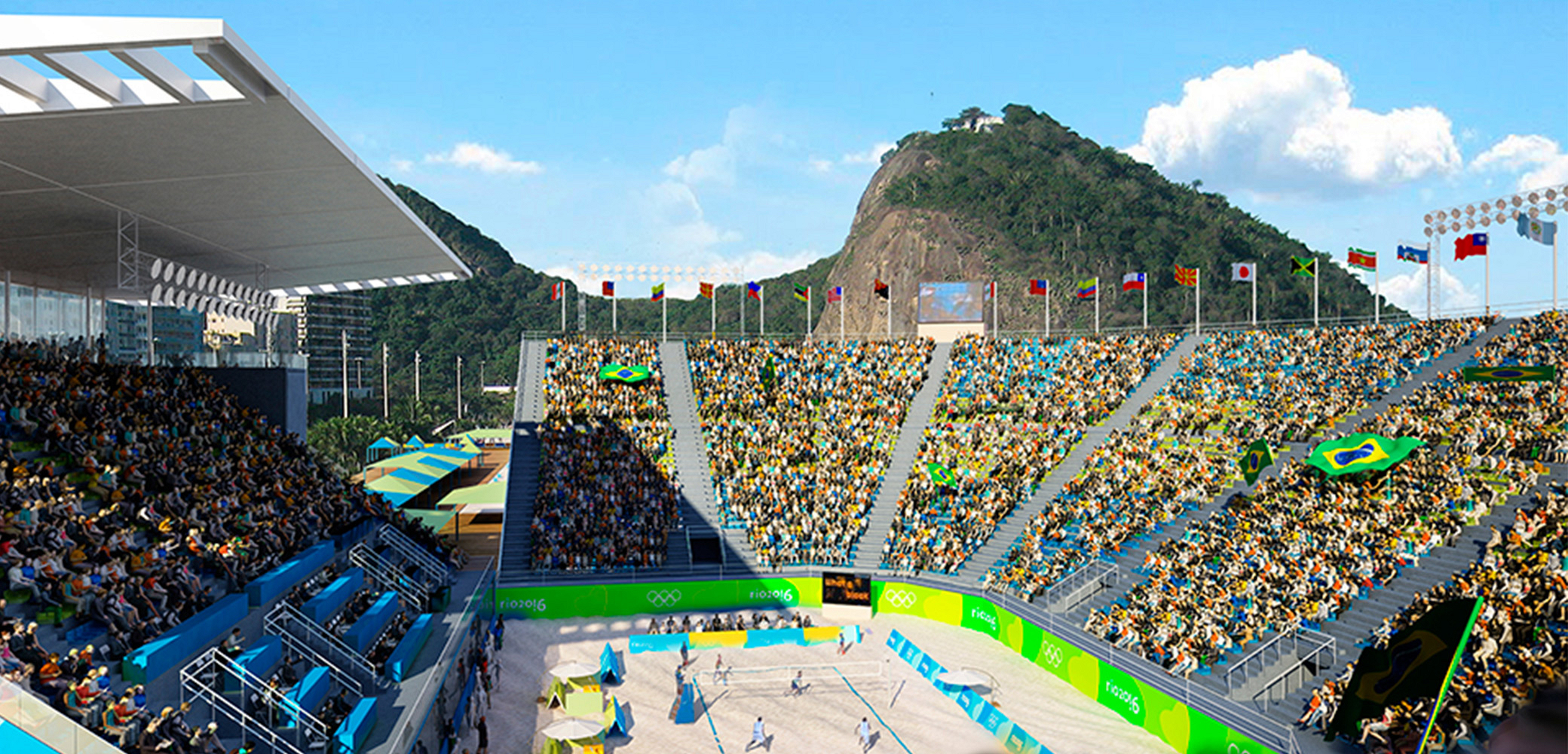

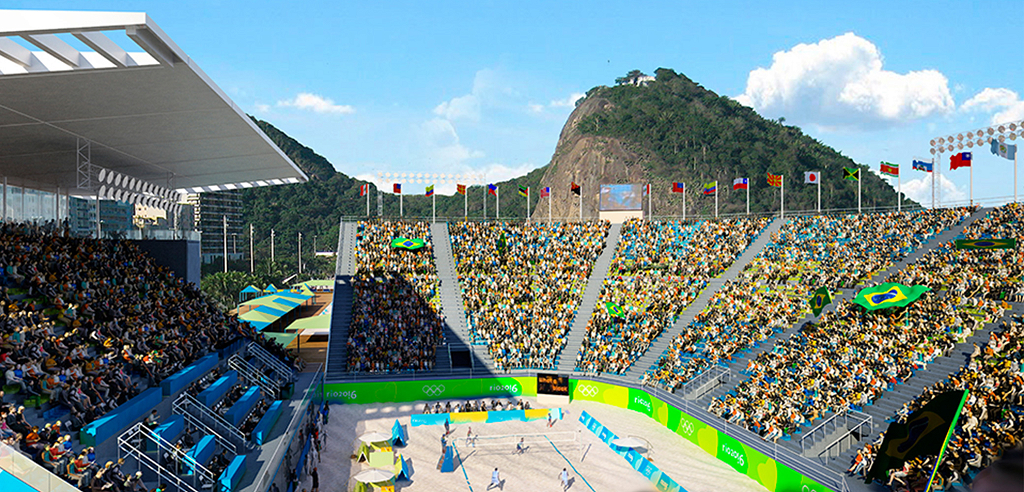
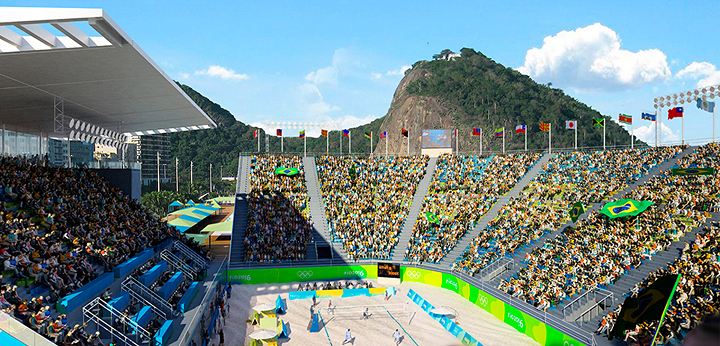
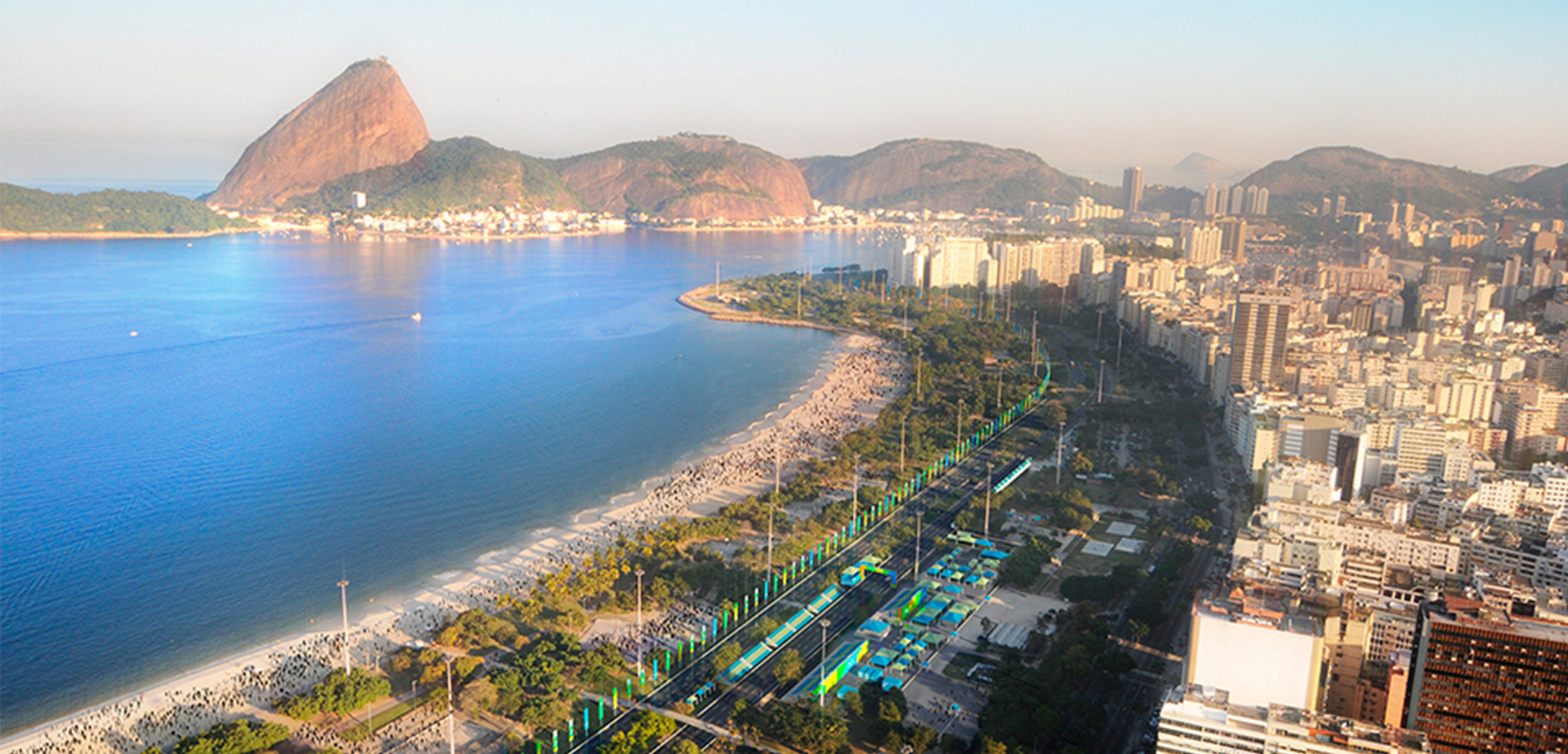

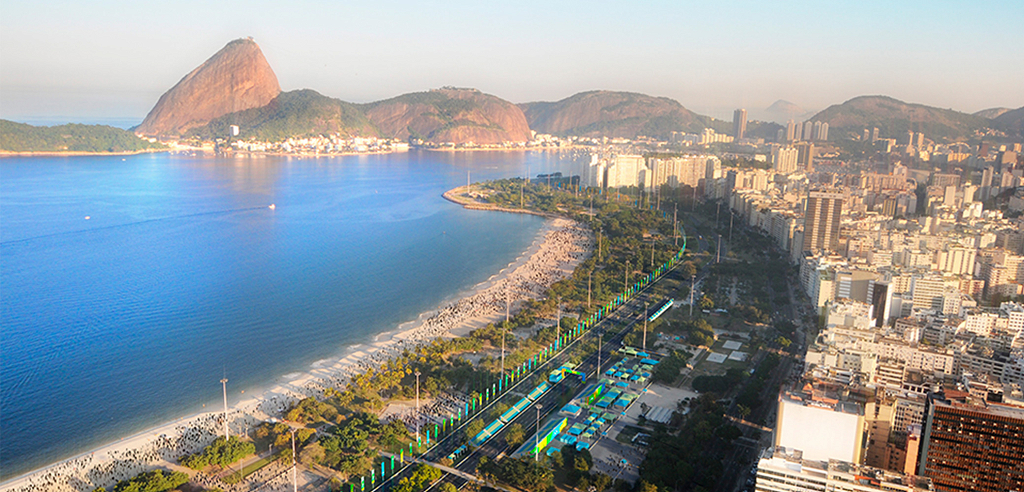
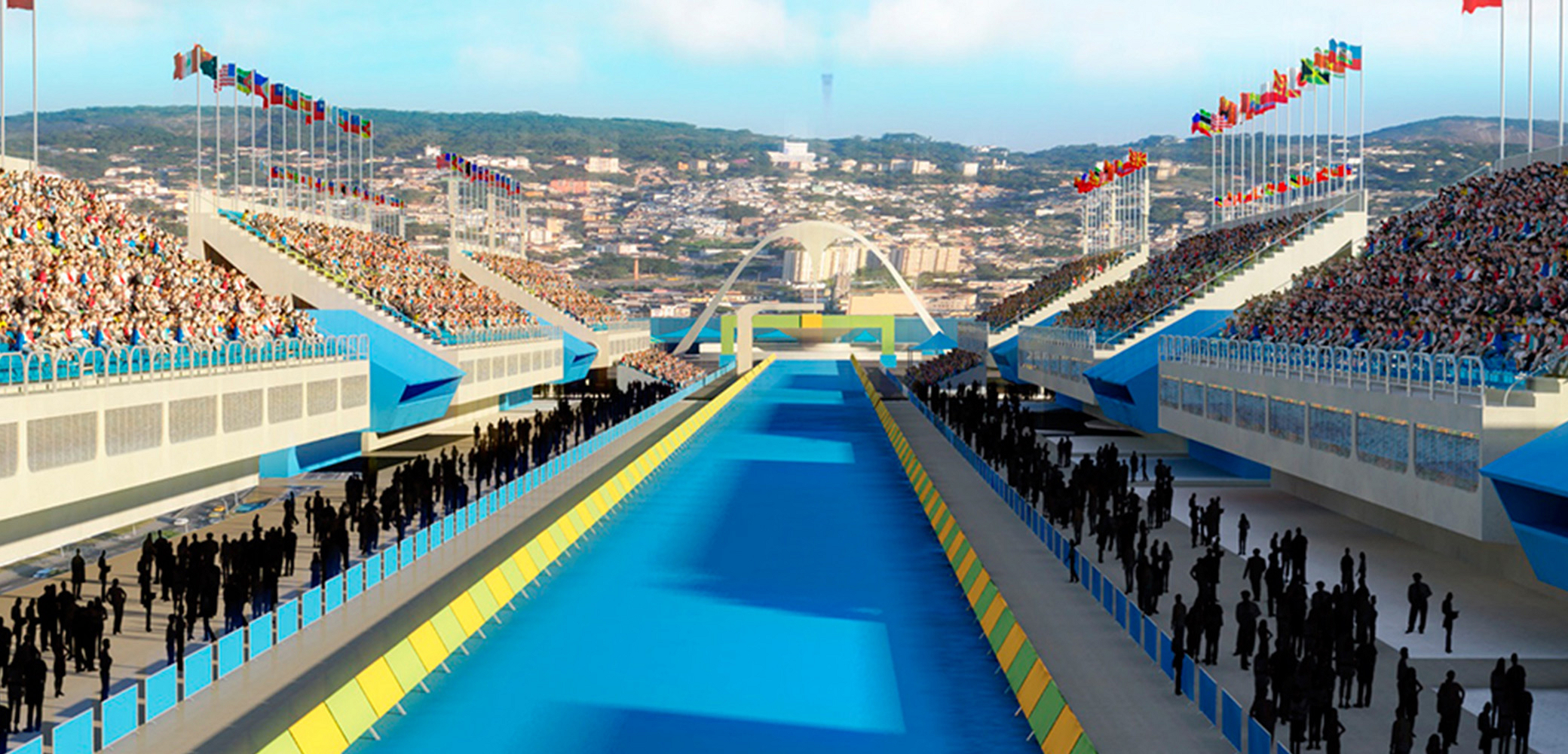

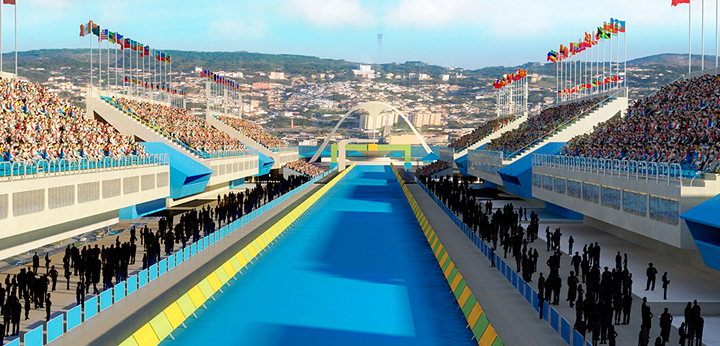

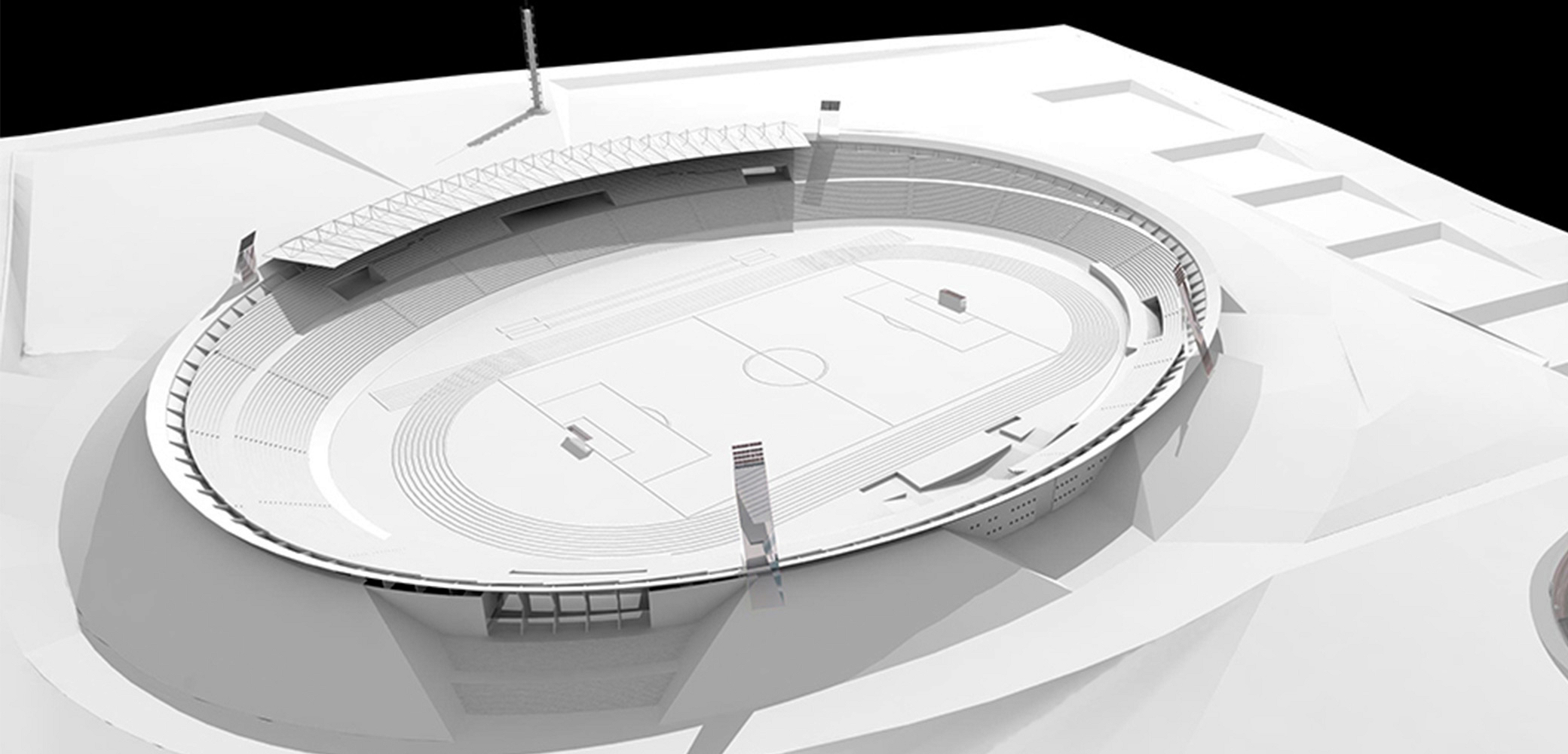




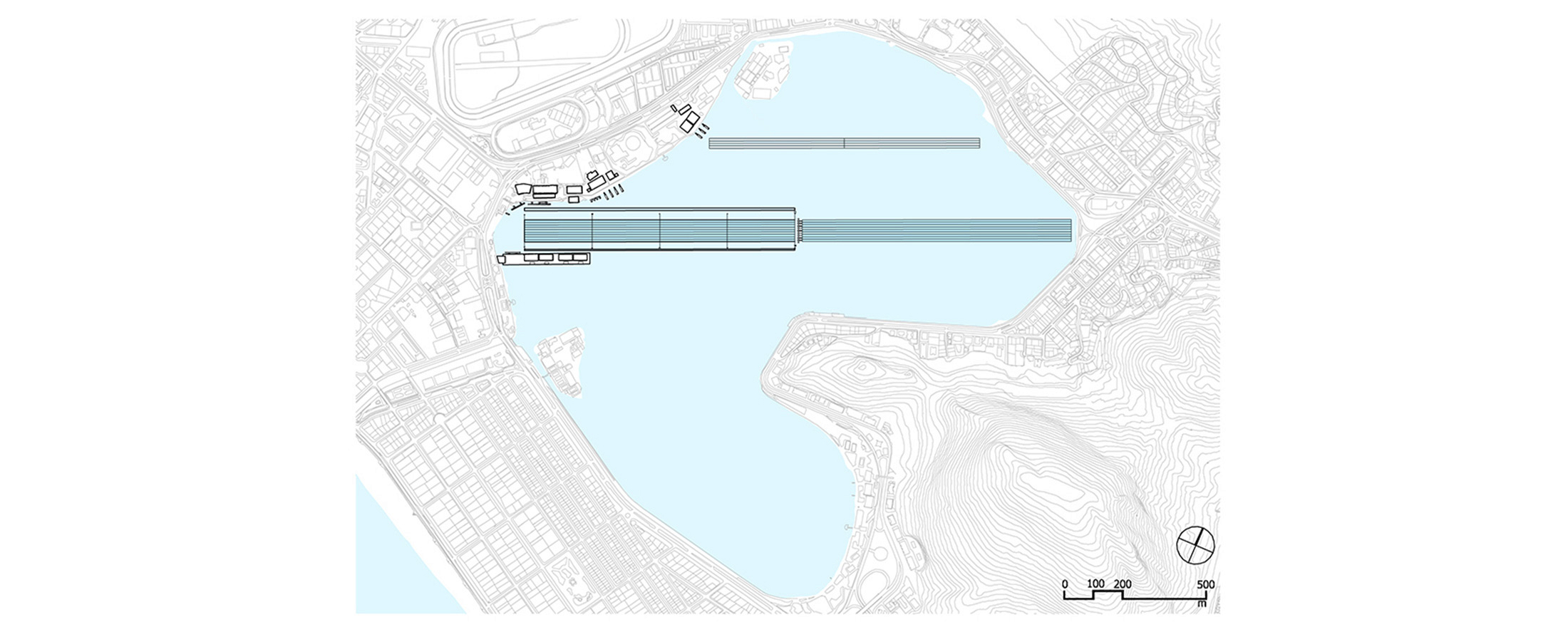

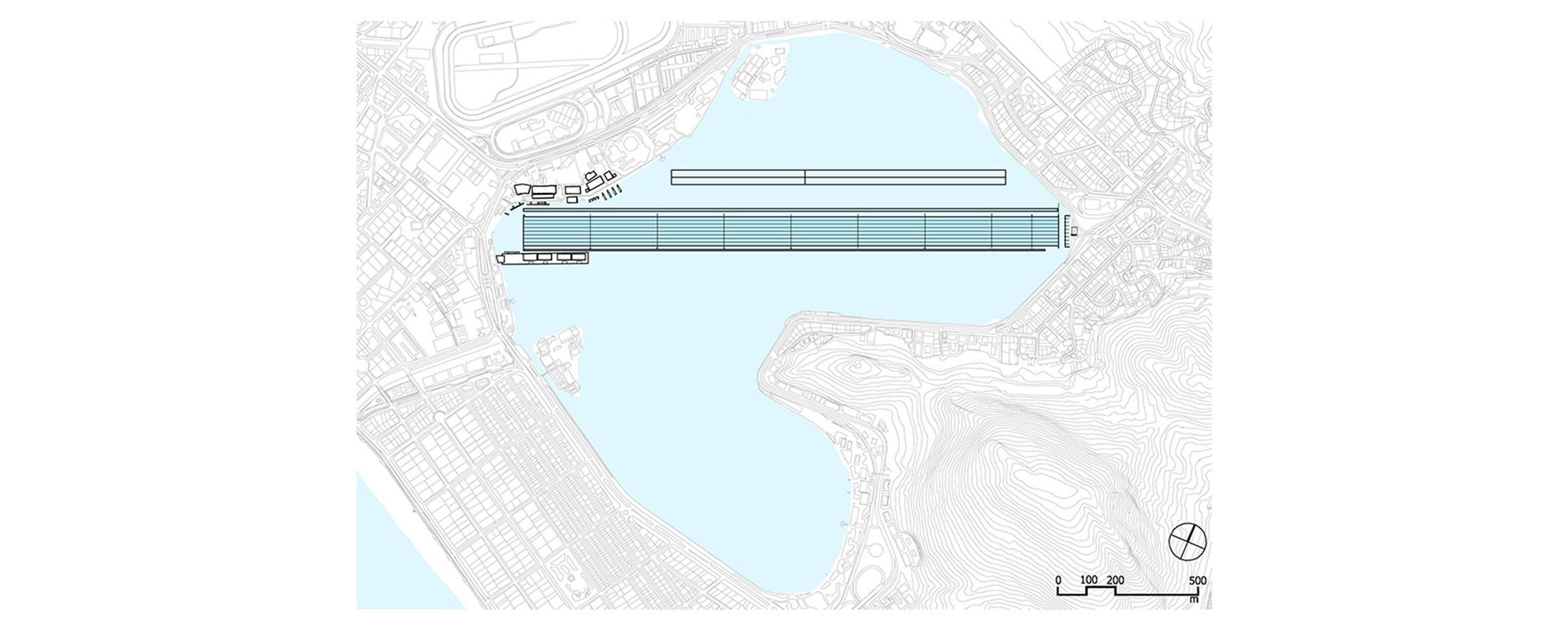

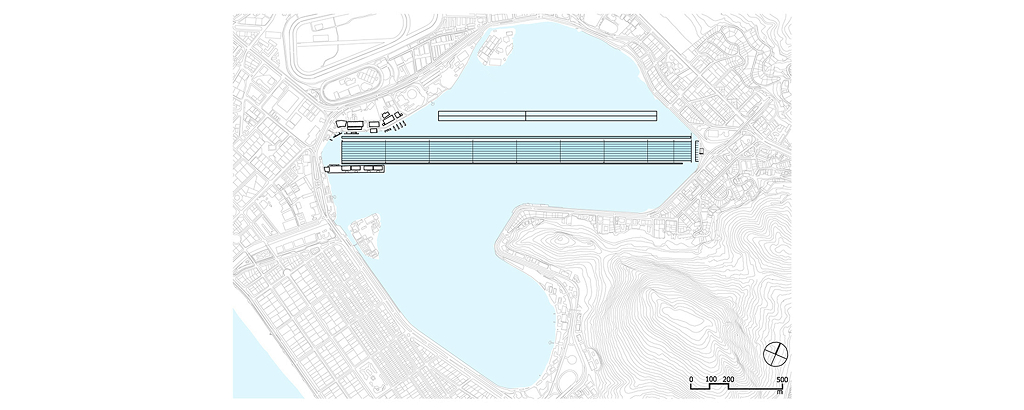
To win the competition held by the COB (Brazilian Olympic Committee) in 2008, the architects decided not to take on any new clients during that period and to dedicate themselves, for almost a year, exclusively to designing the architecture for the Olympics, alongside 20 professionals and partners from their firm. The Brazilian bid dossier was considered by the IOC (International Olympic Committee) to be of the “highest technical quality” among the four competing cities — Rio, Tokyo, Chicago, and Madrid. In total, BCMF delivered more than 700 project files to the Organizing Committee, in addition to the renderings and final plans incorporated into the dossier.
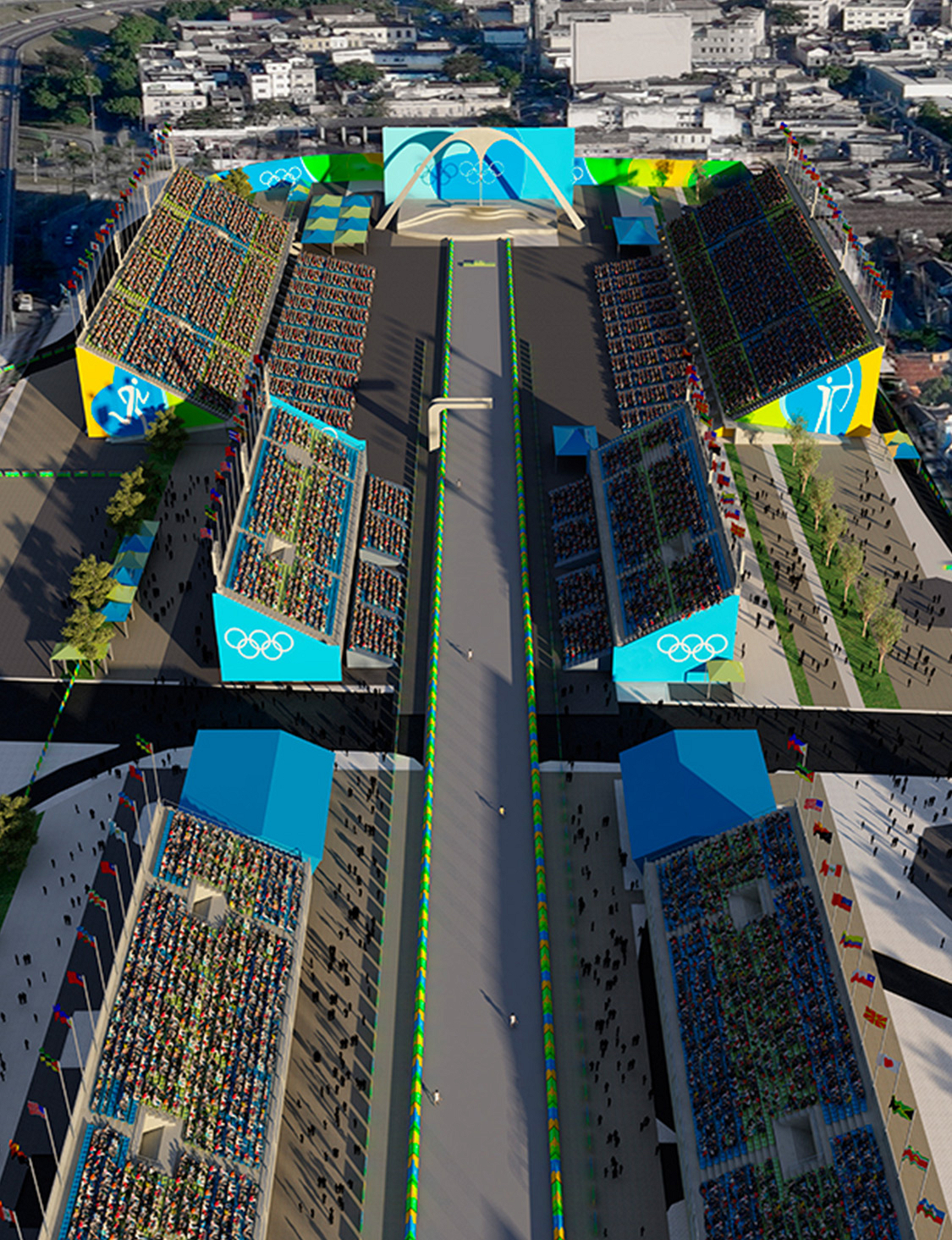
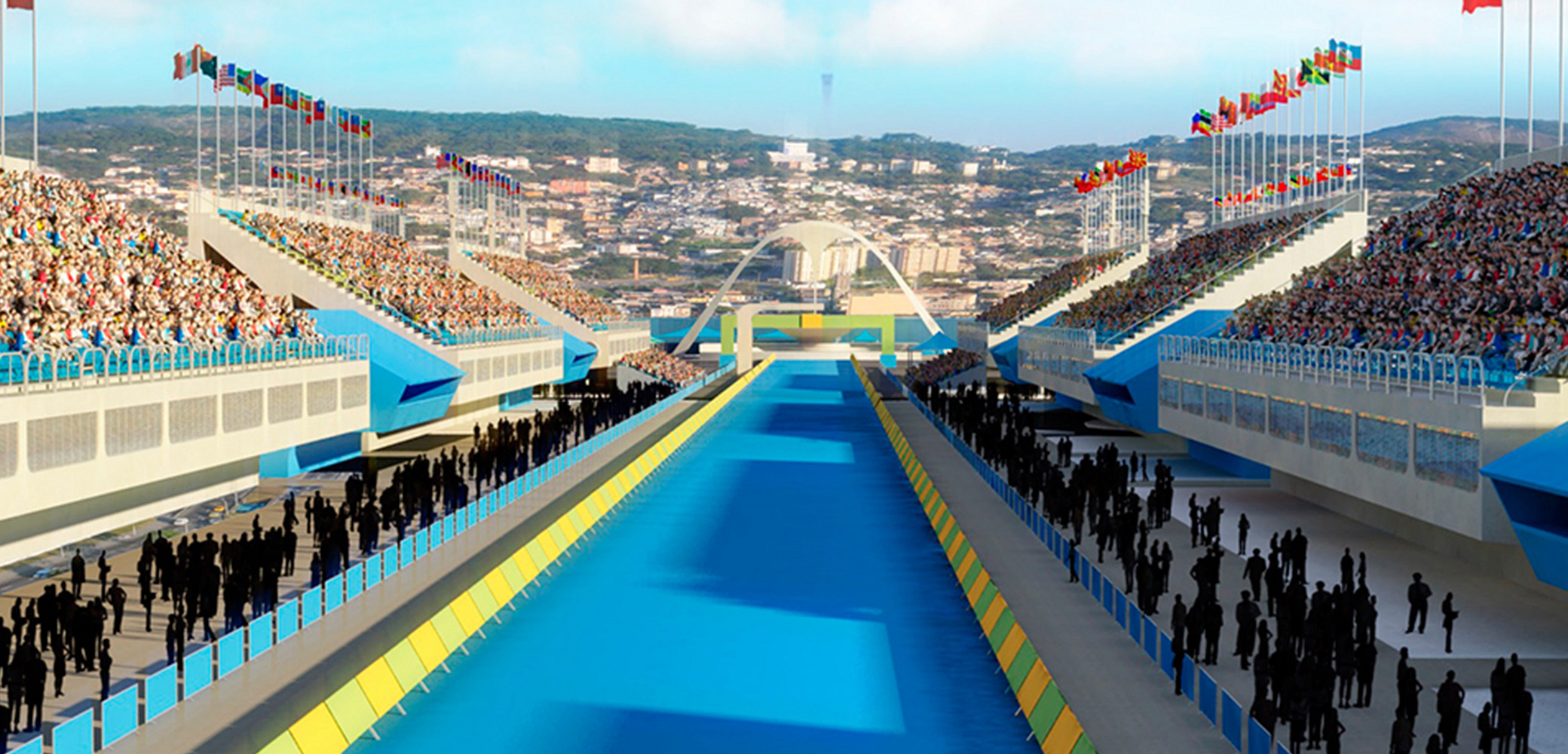
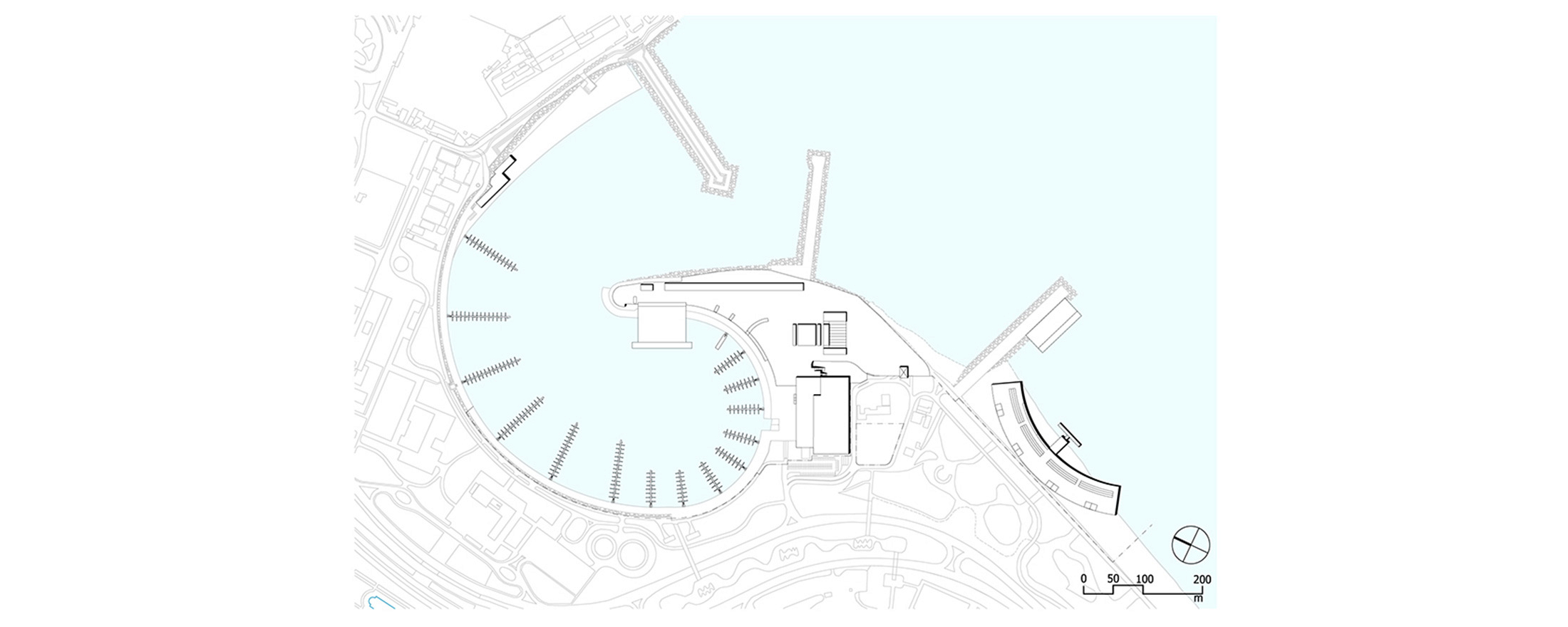
The firm was responsible for the preliminary design studies (architecture and landscape) for most of the buildings that needed to be constructed or expanded, working together with the Rio 2016 team and the international consultancy EKS/JBD (responsible for operational and overlay projects). Their work ensured that all requirements for the proper functioning of the Olympic Games were met, based on IOC prerequisites and strategies defined by the COB in partnership with the three levels of government (municipal, state, and federal). BCMF was in charge of the architecture of 17 new permanent venues and the expansion of 3 existing ones, primarily in the Barra da Tijuca and Deodoro regions (where they had already designed the Deodoro Sports Complex for the 2007 Pan American Games). The firm also supported the Rio 2016 team in developing several special temporary facilities and was responsible for most of the images in the bid dossier.
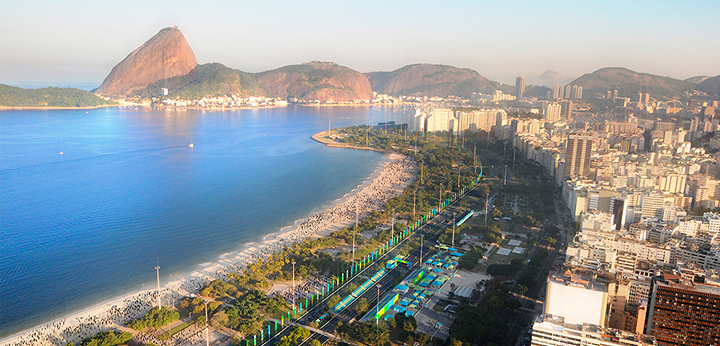
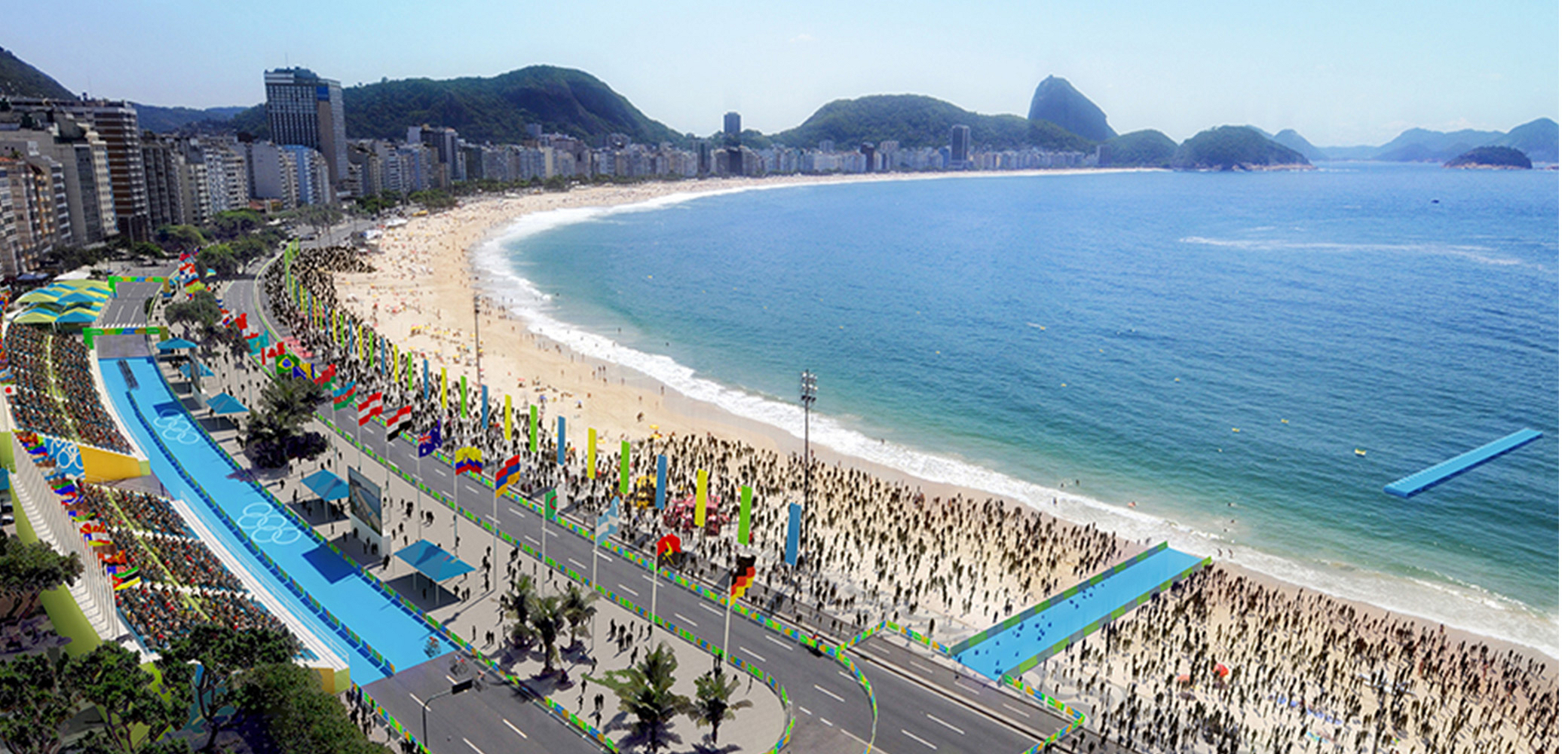
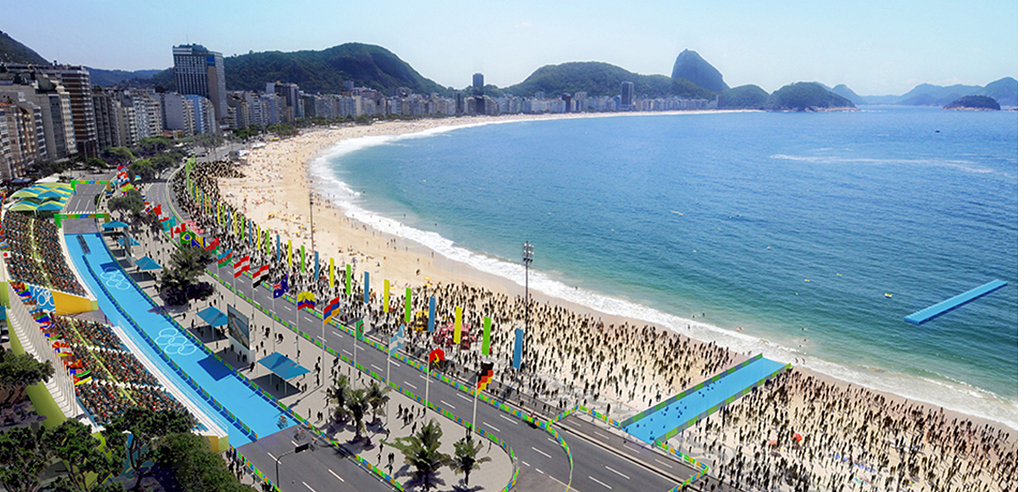
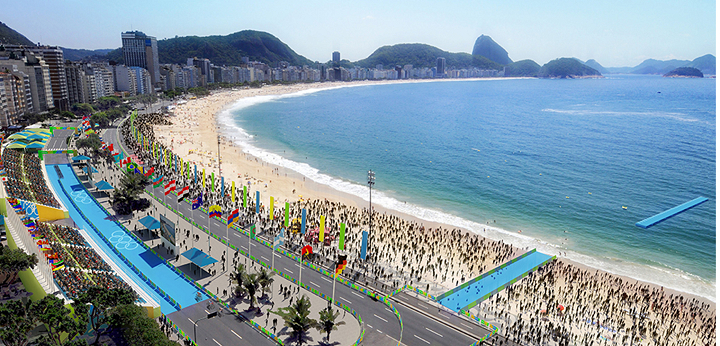
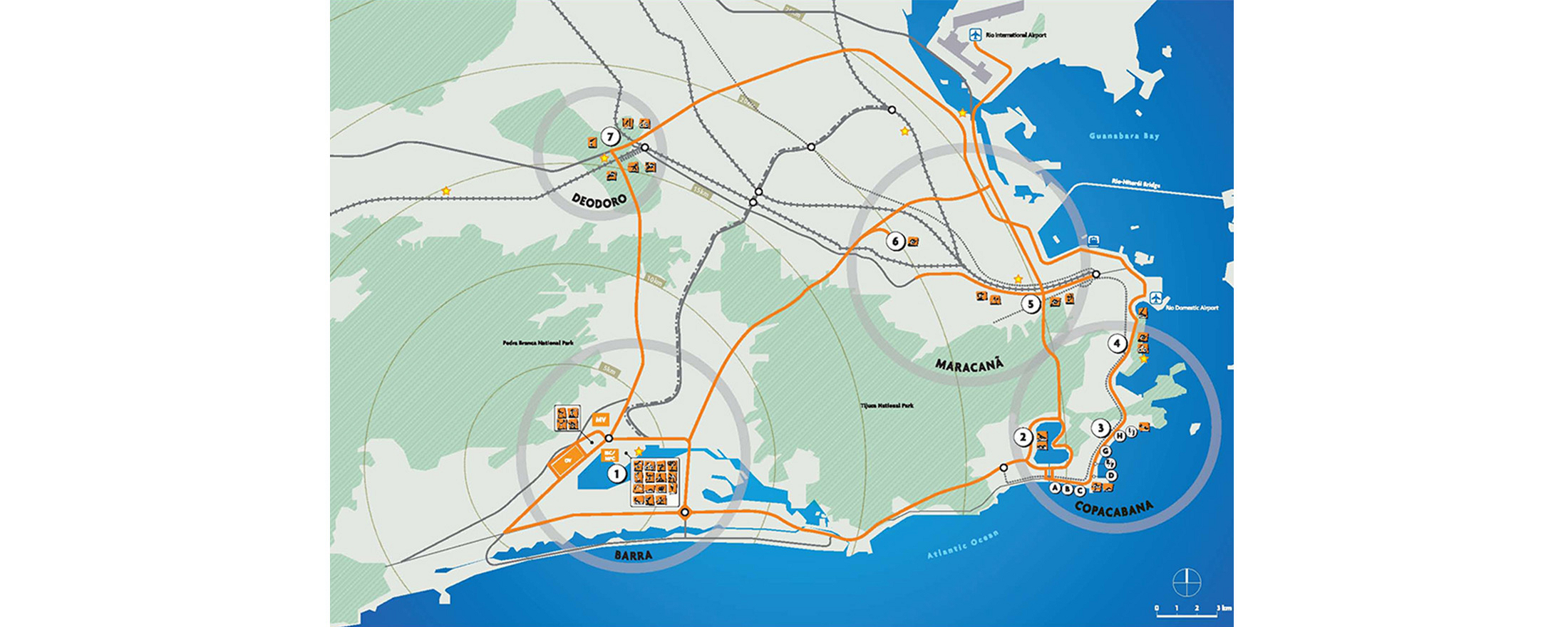
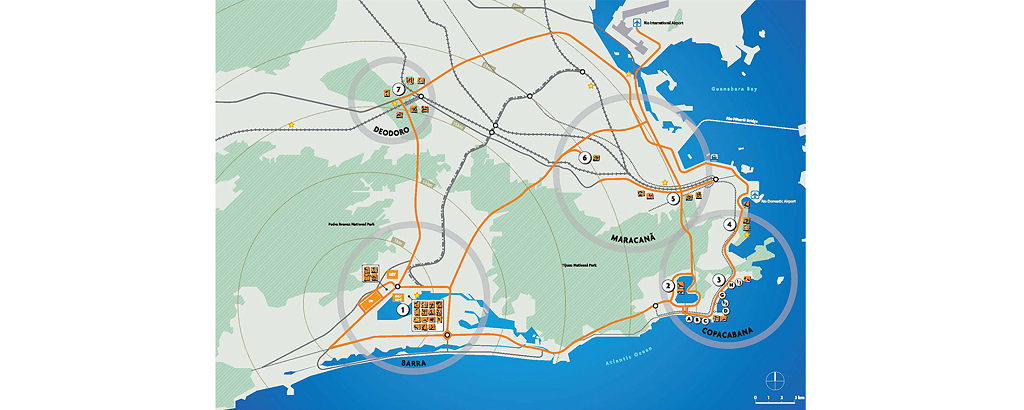
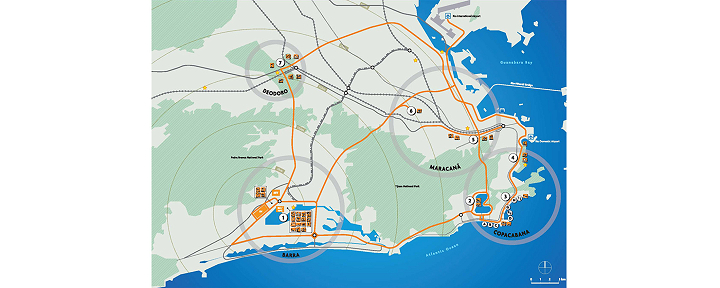
The facilities for the 2016 Olympic Games were grouped into four major zones in the city — Barra, Copacabana, Maracanã, and Deodoro — clusters that would be connected by an efficient road and high-performance rail transport system. This strategy aimed to distribute the direct and indirect benefits of the Games among all residents of Rio de Janeiro through the construction of new facilities and urban improvements based on the existing infrastructure network.
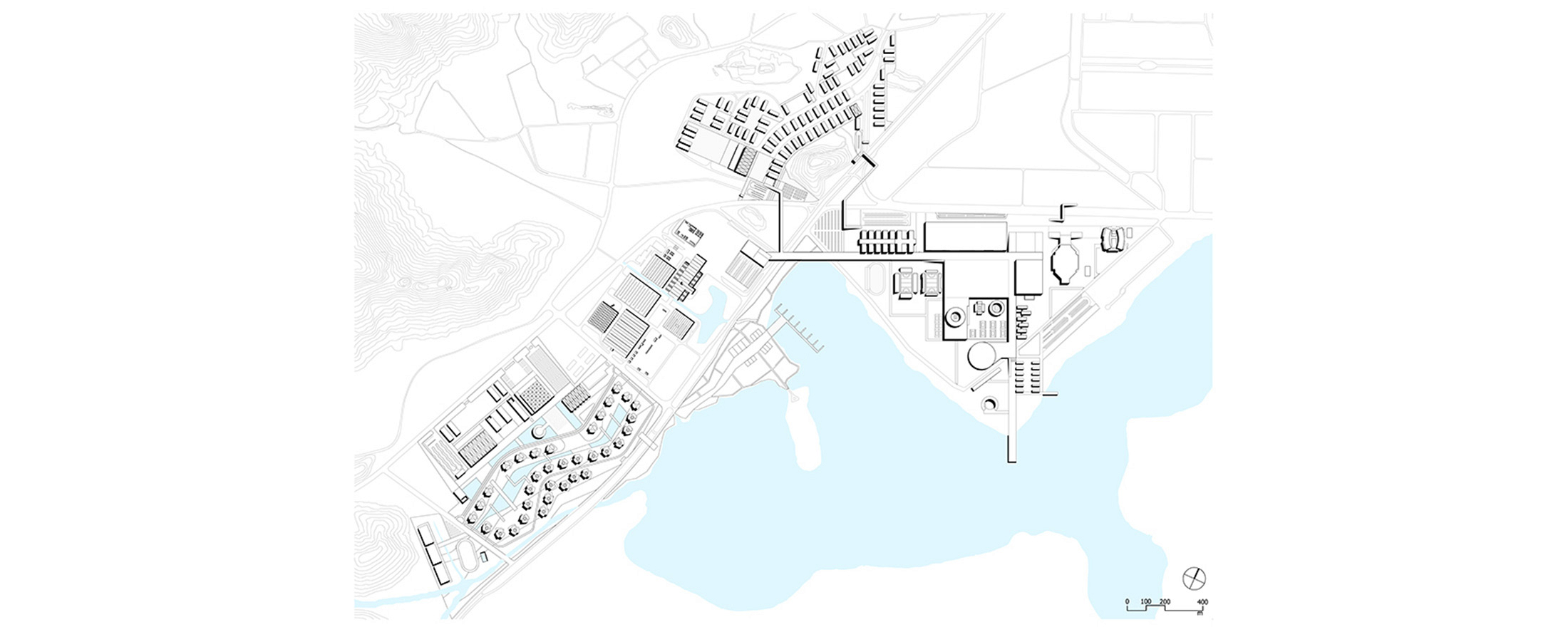
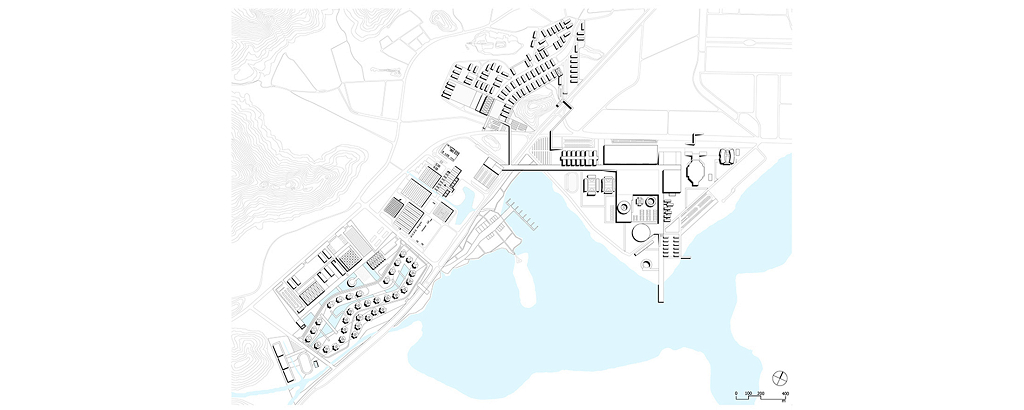
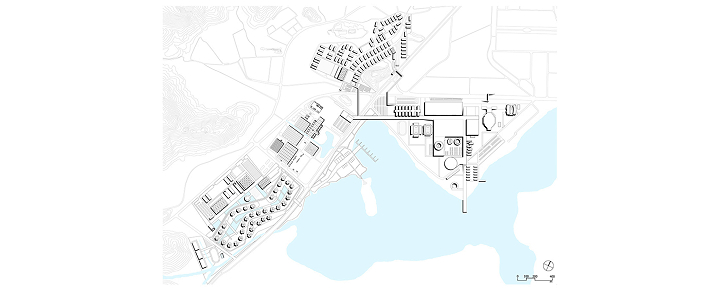
In the Barra cluster, BCMF was responsible for the architecture and landscape design of the new Rio Olympic Park (OLP), the main project of the bid, which would host 13 sporting disciplines across nearly 1,000,000 m². This included the Olympic Aquatics Stadium (OAS), the Olympic Hockey Centre (HTC), the Olympic Tennis Centre (TTC), the Rio Olympic Velodrome (ROV), the Sponsors’ Village (SPV), the IBC/MPC (International Broadcast Centre / Main Press Centre), and the Olympic Training Centre (ITC) — a large complex containing four independent arenas for Basketball, Taekwondo, Judo, Wrestling, and Handball. Also in Barra, the firm designed the Media Village (MEV), housing journalists across 85 buildings, the “International Zone” — a shared area for athlete interaction and services within the Olympic Village (OLV) — and a special temporary pavilion for Weightlifting (CRC-6), adjacent to the existing pavilions at the Riocentro complex.
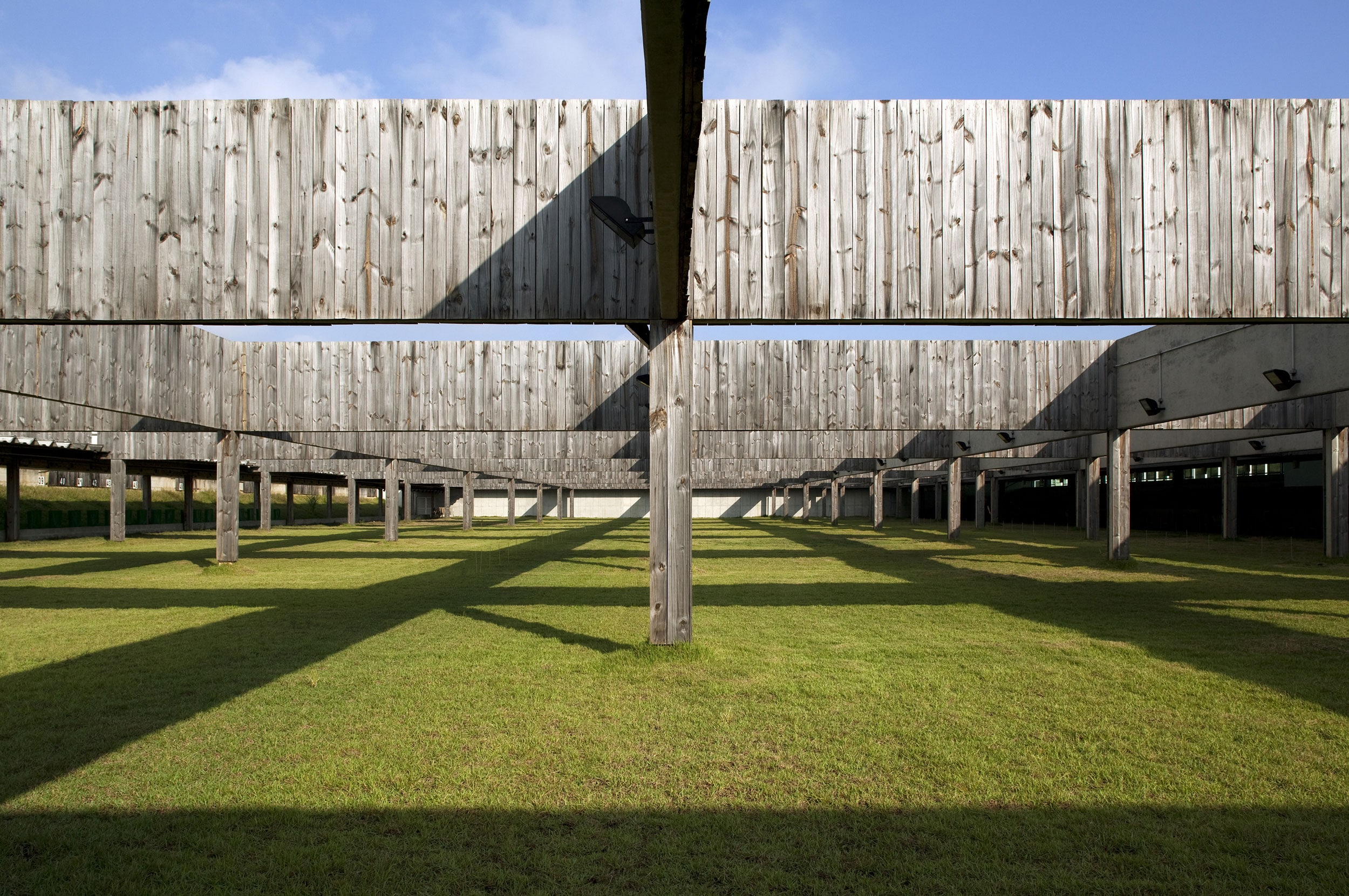
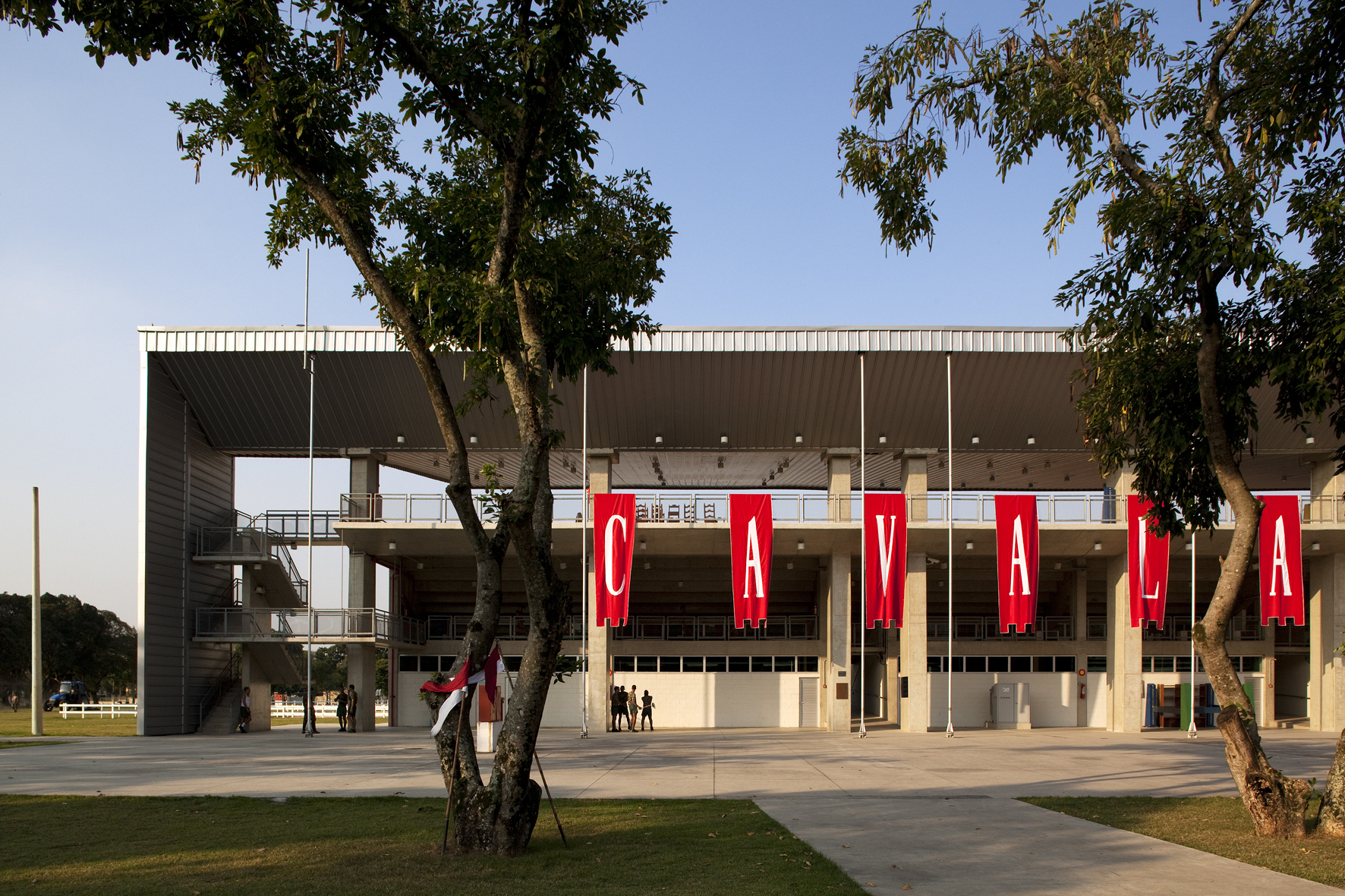
In the Deodoro cluster, BCMF designed the X Park (XPR), an “extreme sports park” that would become a new attraction, including the Olympic BMX Centre, the Olympic Mountain Bike Centre (MBK), and the Olympic Canoe/Kayak Slalom Centre (CAN) — the Whitewater Olympic Stadium. The National Shooting Centre (NSC), the National Equestrian Centre (NEC), and the National Modern Pentathlon Centre (MNP) — all facilities previously designed by the firm for the 2007 Pan American Games according to Olympic standards — required only minor adjustments and additions, including a new Fencing Gymnasium, the Deodoro Arena (MNP), and several temporary structures.